Selling quietly in Montecito is possible when you pair meticulous preparation with tight control over information. If you want privacy without sacrificing price or leverage, you need a plan that anticipates questions, secures documents, and reaches only the right buyers. In this guide, you’ll learn how to prepare your estate, protect your data, structure showings, and choose the right level of market exposure for your goals. Let’s dive in.
Why a discreet sale in Montecito
Montecito’s luxury market is unique. Large estates and oceanfront properties can skew monthly numbers, and in some years a meaningful share of major sales close off market. Local year‑end reporting for 2025 highlights multiple high‑value trades and notes the impact of private activity in the luxury tier, which affects pricing strategy and timing for a quiet launch. You can see this broader context in the Santa Barbara Association of REALTORS® year‑in‑review coverage from the Independent, which describes recent performance and top‑end dynamics in the area (local 2025 market review).
Privacy also carries value in a community where high‑profile owners are common. At the same time, limited‑exposure strategies come with tradeoffs. Industry reporting explains how pocket listings and private networks balance privacy with reduced public reach, and why you should weigh the pros and cons with your advisor (discussion of pocket listings and tradeoffs).
Start with quiet preparation
Your goal is simple: remove surprises and increase buyer confidence before anyone steps inside. A seller‑paid general inspection helps you find issues early so you can choose repairs, credits, or pricing adjustments with control. For estates with pools, guesthouses, or complex systems, add specialty inspections like roof, HVAC, electrical, pool and spa, chimney, structural pest, and, if applicable, elevator.
If your site is near a creek corridor or a hillside, plan for a geotechnical and drainage assessment. Montecito experienced a deadly debris‑flow event on January 9, 2018, and parcels in mapped channels or on alluvial fans often require extra documentation for buyers. The USGS summarizes the event’s impacts and ongoing mapping that can inform your due diligence (USGS overview of the 2018 debris flow).
Document everything early. In California, sellers must complete statutory disclosures regardless of how a property is marketed. The Transfer Disclosure Statement and Natural Hazard Disclosure are baseline items, and your permitting history matters. Review California Civil Code section 1102 to understand the framework for transfer disclosures (California Civil Code §1102). Collect closed permits, contractor invoices, and any engineering or mitigation records now so your escrow runs smoothly later.
Finally, pull a utilities file. Montecito’s potable water and wastewater services have local rules that can affect large‑landscape irrigation, pools, and operations. Assemble recent account histories and any documentation tied to district programs so prospective buyers can verify service capacity and guidelines (Montecito Water District overview).
Curated updates and presentation
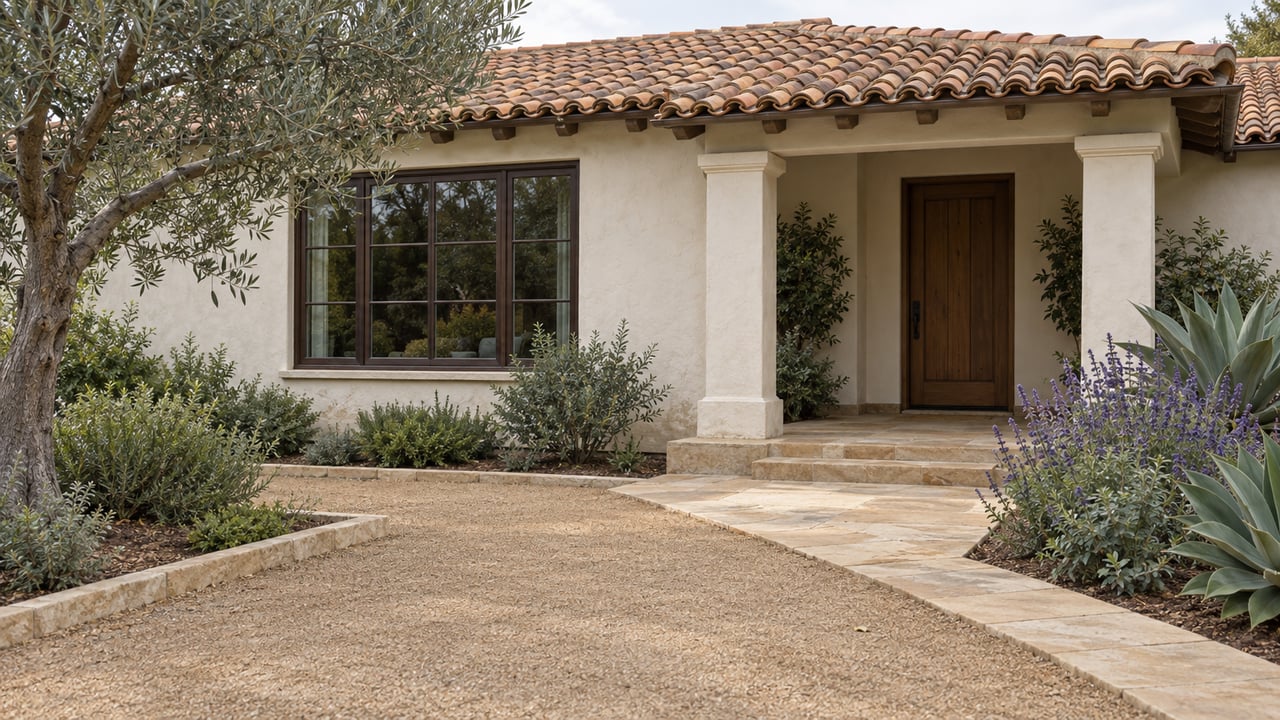
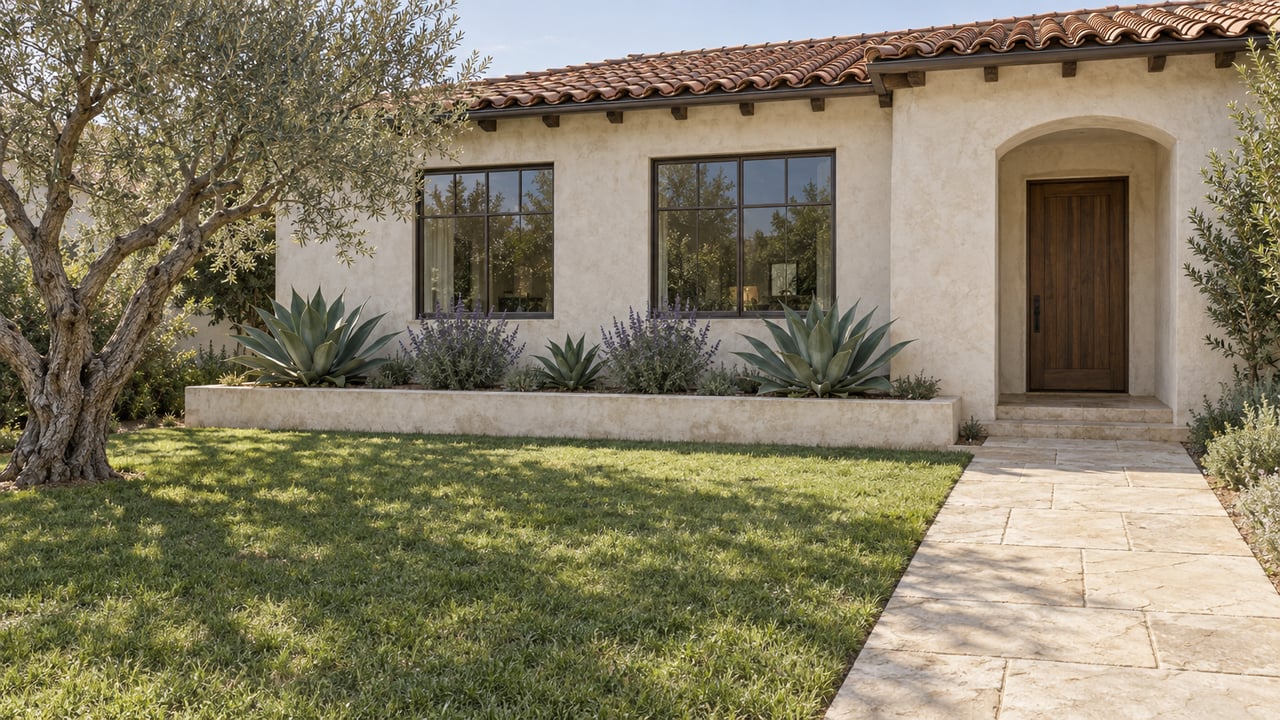
Focus on high‑impact, low‑intrusion improvements that show care without turning your home into a job site. Neutralize paint where needed, declutter, and complete obvious repairs. Give special attention to the primary suite, main living spaces, and the arrival sequence. In Montecito, landscape presentation and gated approaches carry as much weight as interiors, so tidy grading, lighting, and drive surfaces.
Professional staging is common in the luxury tier for good reason. A national profile on staging reports that more than 80 percent of agents believe staging helps buyers visualize a property and can shorten marketing time (NAR staging findings via PR Newswire). Provide your stager with a privacy brief so any art, family items, or identifying objects are minimized or moved off site.
Visual assets with control
Create two lanes for media: a small set of public hero images and a gated set for qualified buyers. Typical assets include daylight and twilight photography, aerials, a cinematic video cut, measured floor plans, and a 3D walkthrough. Hold high‑resolution interiors and floor plans behind password protection, and share them only after buyer vetting and a signed NDA.
If you produce drone footage, use an operator who is certified for commercial work. FAA Part 107 certification and proper insurance are basic requirements for professional aerial marketing, and your vendor should confirm local airspace and privacy rules before any flight (commercial drone operations overview).
Privacy protocols and buyer vetting
Understand the MLS baseline before you start. The National Association of REALTORS® Clear Cooperation Policy requires that once you publicly market a property, your broker must submit it to the MLS within one business day. If you prefer privacy, your agent can discuss office‑exclusive or delayed‑marketing options permitted under local rules, and you should put confidentiality instructions in writing (NAR Clear Cooperation Policy).
Limited‑exposure tactics for luxury estates often include invitation‑only broker outreach, private buyer lists, password‑protected tours, and secure data rooms. Reputable platforms and trade coverage describe how NDAs, proof of funds, and encrypted portals function together to maintain discretion. NDAs are contractual tools, so have your attorney review them and tailor the terms to your situation (overview of off‑market tools and NDAs).
For showings, require a buyer‑representative introduction, references from a banker or attorney, and proof of funds or a lender letter before access. Once a vetted letter of intent is accepted, you might consider short due‑diligence periods or meaningful deposits that reflect the security benefits you provide up front. Secure document exchange and wire‑fraud prevention are essential. Use watermarked PDFs, verified portals for wiring instructions, and experienced title and escrow partners.
For a balanced view, remember that industry observers note potential downsides to private marketing, including reduced exposure and market transparency. Make this a documented decision based on your goals and your broker’s read of the buyer pool (pocket listing tradeoffs explained).
Montecito‑specific risk readiness
Some Montecito properties sit on or below slopes or near creek channels shaped by past debris flows. If your parcel is in a mapped area or has a history of mitigation, gather any geotechnical memos, drainage plans, FEMA or county maps, and engineering records that support your site’s condition. Buyers will ask for them, and providing organized files strengthens confidence (USGS debris‑flow background).
Wildfire preparation also matters. Local defensible‑space and home‑hardening practices signal care to buyers and insurers. Clean roofs and gutters, install ember‑resistant vents where recommended, maintain the first five feet around structures free of combustibles, and complete required clearance within the local standards. The Montecito Fire Department provides guidance and programs you can use to plan and document work (Montecito Fire wildfire preparedness).
Timeline and team for a quiet launch
A well‑executed discreet sale follows a clear calendar. Here is a typical 6‑ to 8‑week arc that preserves privacy and momentum:
- Weeks 0–2: Select your luxury listing broker with deep Montecito experience and engage a real‑estate attorney. Sign listing and confidentiality instructions. Assemble permit records, maintenance logs, and utility files in a secure folder.
- Weeks 2–4: Order general and specialty inspections. If needed, commission geotechnical or drainage reports. Schedule your staging consult. Arrange a security walkthrough to set showing protocols and a visitor log process.
- Weeks 4–6: Complete targeted repairs and home‑hardening items. Install staging. Produce photography, aerials, and video. Build a single‑property landing page with gated assets for vetted buyers.
- Weeks 6–8: Finalize vetted buyer lists. Implement your NDA and credentials process. Launch invitation‑only outreach and controlled showings. If you later opt for full public exposure, align your MLS timing with Clear Cooperation rules.
Your vendor roster should fit the property and your privacy goals. Typical roles include a lead listing broker, real‑estate attorney, accredited stager, high‑end photographer and drone pilot, home and specialty inspectors, licensed contractors, a security consultant, a fine‑art mover or appraiser if contents will be relocated, and a title and escrow team experienced with high‑value or entity‑based closings.
Budget depends on estate size and scope. Use your pre‑listing inspection to prioritize spend where it reduces escrow risk or materially improves appeal. For luxury estates, expect professional fees for staging and media to be higher than standard residential projects, and request written proposals plus proof of insurance from any vendor on site.
Decide on your level of exposure
Discreet marketing is most effective when your top priorities are privacy, control, and limiting foot traffic. It is a strong fit when the buyer pool is known and small, such as family offices or referral‑based high‑net‑worth networks your broker can reach directly. It is less suited to situations where you want to maximize price through broad competition. Industry coverage advises making this a clear, documented choice and aligning it with the realities of your specific buyer pool (tools and tradeoffs for private sales).
What you can expect with our team
When you sell quietly, process is everything. You can expect concierge coordination of inspections and pre‑list prep, a design‑forward presentation plan that separates public and gated assets, and an invitation‑only marketing approach that honors your privacy. We emphasize secure document handling, buyer vetting, and disciplined communication so you stay in control from the first conversation through closing.
If you are considering a discreet sale of your Montecito estate, let’s talk about your goals, timing, and the exposure level that fits your situation. Schedule a private strategy session with Maureen McDermut.
FAQs
What documents are required for a discreet Montecito sale?
- Even in a private sale you must complete California’s statutory disclosures, including the Transfer Disclosure Statement and Natural Hazard Disclosure, along with relevant permits and maintenance records.
How do NDAs and buyer vetting work for private showings?
- Serious prospects are typically required to sign a confidentiality agreement and provide proof of funds or a lender letter, plus a trusted reference, before receiving gated materials or an in‑person tour.
Can I market only within a brokerage without using the MLS?
- Many MLSs allow office‑exclusive listings when a seller declines public marketing, and the Clear Cooperation Policy explains how public marketing triggers MLS submission within one business day.
What Montecito hazards should I prepare to document?
- If your property is near mapped creek corridors or slopes, gather any geotechnical and drainage reports plus mitigation records; also document defensible‑space and home‑hardening work for wildfire readiness.
Do I need drone footage for a discreet listing?
- Aerials help tell the estate story, but use a certified commercial operator who follows FAA Part 107 rules and carries proper insurance, and control how and where footage is shared.
How long does preparation for a private launch take?
- Many luxury estates follow a 6‑ to 8‑week plan that covers inspections, targeted repairs, staging, media production, and building a vetted buyer list with an NDA and credentials process.