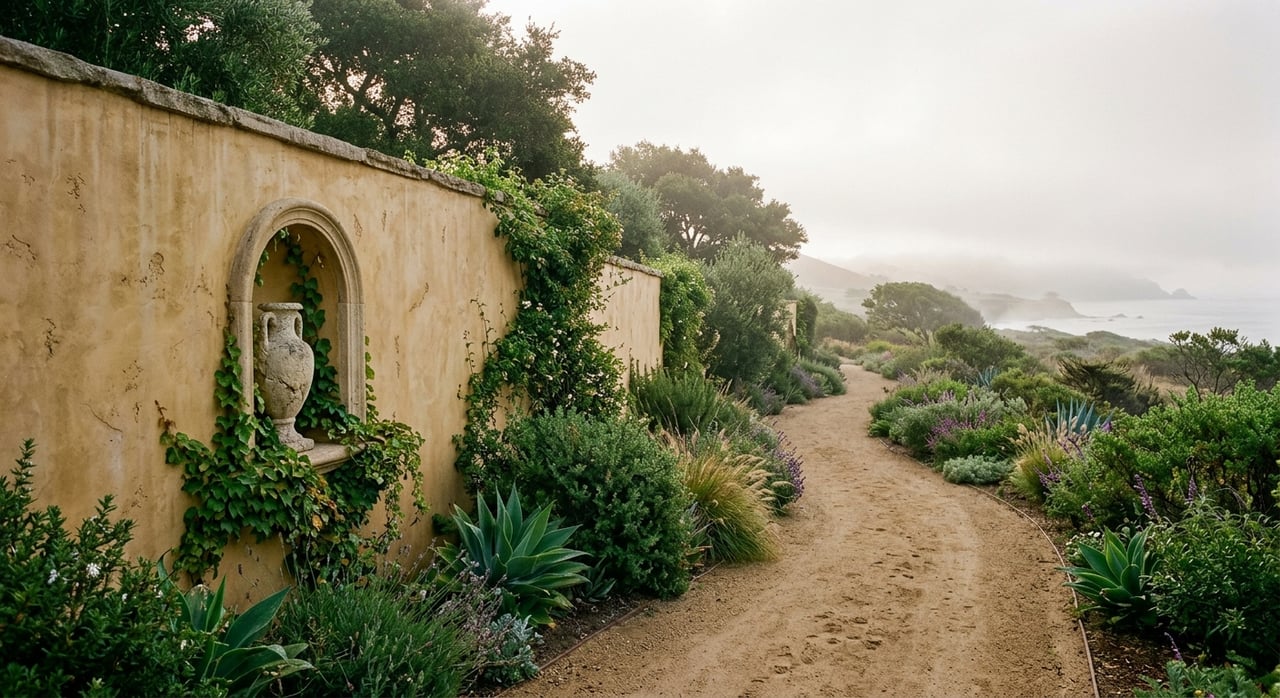
If you are searching for a Santa Barbara area lifestyle that feels both coastal and country, Hope Ranch stands apart. This is not a typical beach neighborhood, and it does not live like a standard subdivision either. In Hope Ranch, equestrian trails, estate-style properties, and resident beach access all shape daily life in a very specific way. If you want to understand what that actually looks like on the ground, this guide will walk you through it. Let’s dive in.
What Makes Hope Ranch Distinct
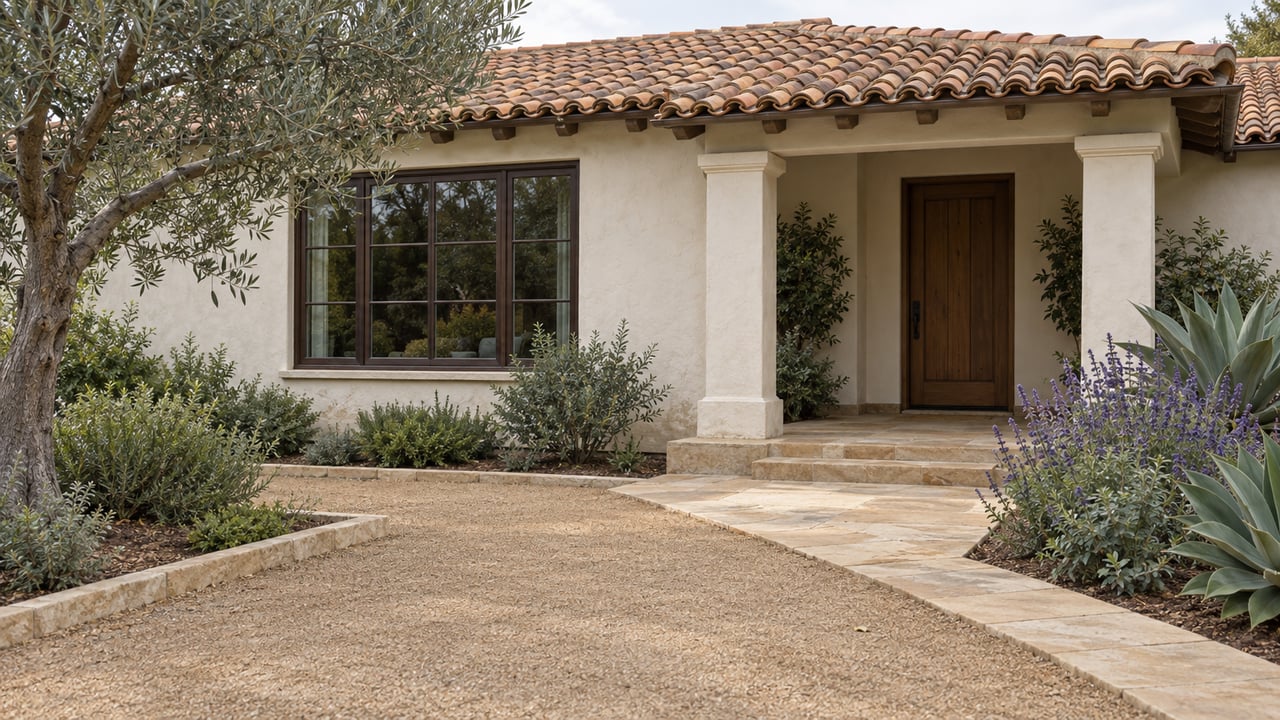
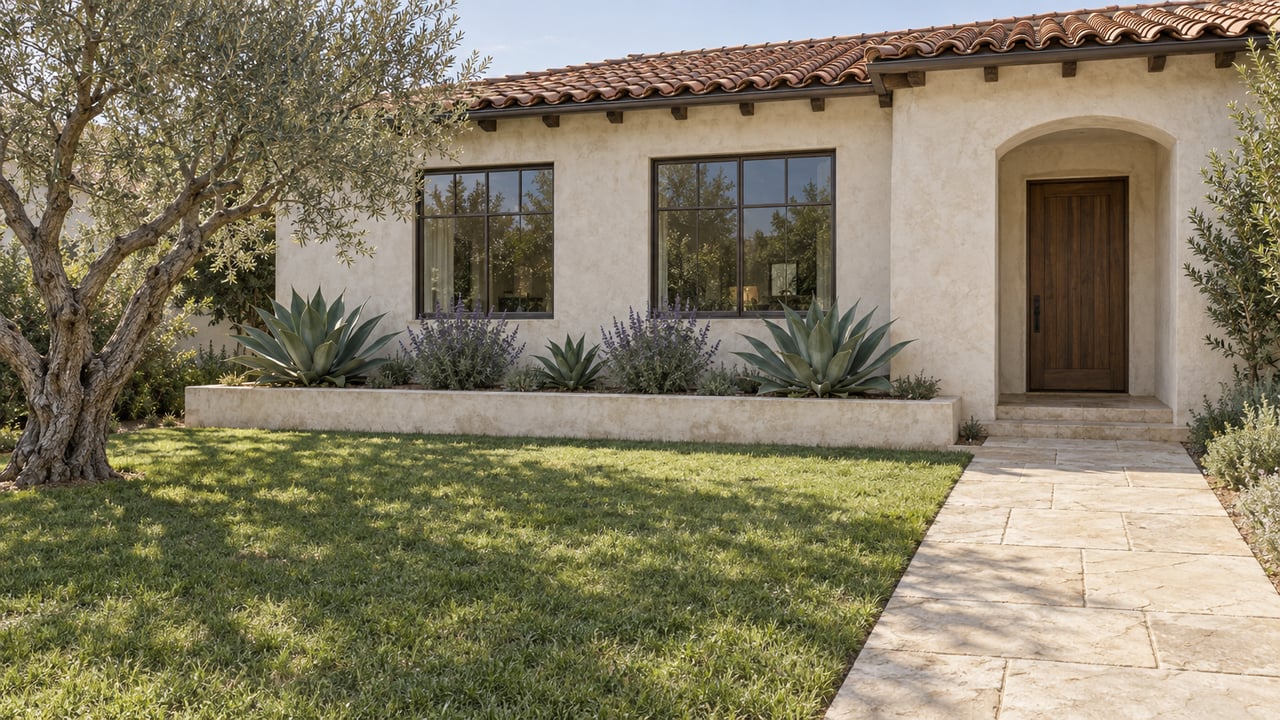
Hope Ranch is one of Santa Barbara County’s South Coast unincorporated communities, and the Hope Ranch Park Homes Association says it includes 773 lots across 1,863 acres. The community sits between Highway 101 and the ocean, with a landscape defined by mesa land, rolling knolls, and mature live oaks. That setting helps explain why Hope Ranch feels more spacious and rural than many nearby coastal neighborhoods.
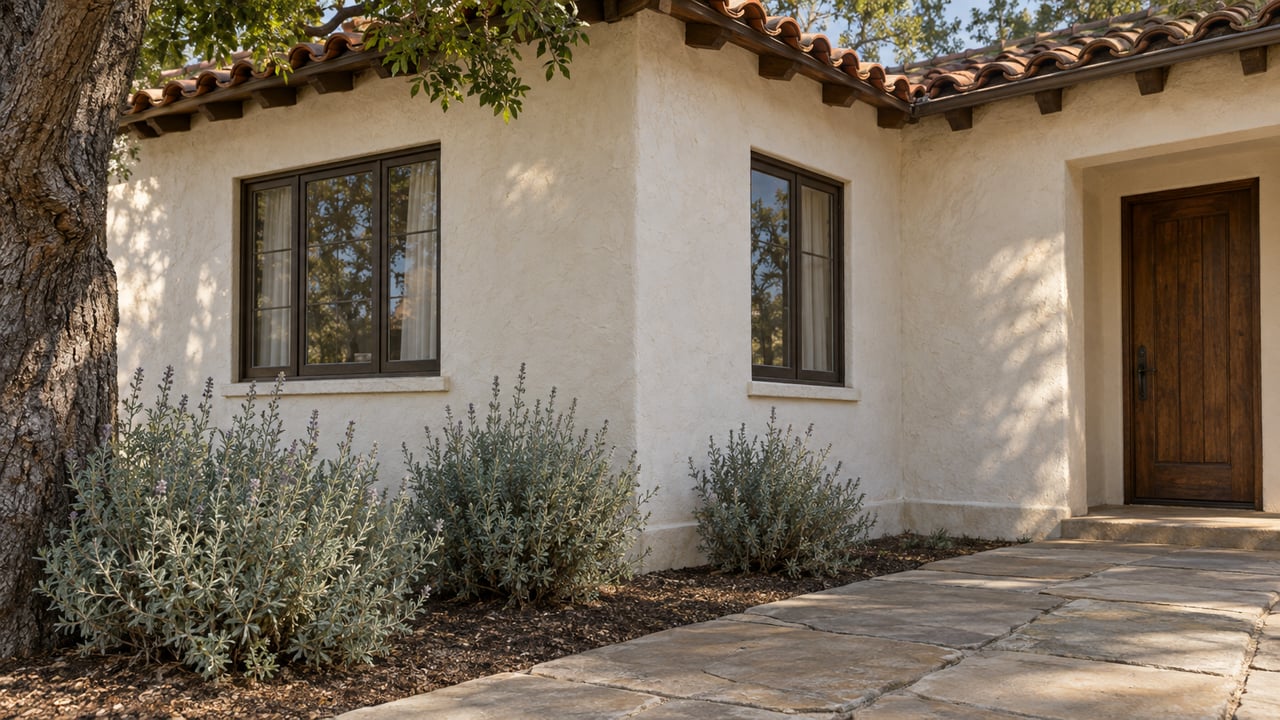
What also sets Hope Ranch apart is how carefully the community is managed. According to the Association’s building guidelines, design, landscaping, and visible improvements are reviewed to preserve rural character and compatibility between properties. In practical terms, that means the neighborhood is shaped not just by location, but by long-term planning around privacy, screening, and visual continuity.
The result is a community that reads more like an estate district than a conventional neighborhood. For buyers, that often matters just as much as square footage or lot size. You are not only buying a home here. You are stepping into a very particular way of living.
Hope Ranch’s Equestrian Lifestyle
Equestrian culture is not a side feature in Hope Ranch. It is built into the physical layout of the community and into the rules that guide everyday use. The Hope Ranch rule book makes clear that bridle trails are a core part of neighborhood circulation, with some trail segments between private properties reserved for horseback use only.
That detail says a lot about the experience of living here. In many communities, horses are an occasional lifestyle add-on. In Hope Ranch, riding is woven into the rhythm of the neighborhood itself, alongside walking and driving.
The same rules describe Hope Ranch as a place shared by pedestrians and equestrians, with a 25 mph speed limit on most roads. That slower pace supports a daily environment where residents may encounter riders, walkers, and neighbors moving through the area in a more relaxed way. It creates a different feel from car-centered neighborhoods nearby.
How the Trails Shape Daily Life
The trail network influences more than recreation. It affects how the neighborhood feels from the street, how properties are designed, and how residents move through the area. Because motor vehicles are generally prohibited on bridle trails except for maintenance or emergencies, those routes remain dedicated to quieter, non-motorized use.
For homeowners who value outdoor living, that is a meaningful distinction. It supports a setting where horses and open-space movement are part of the visual and daily character of the community. Even if you are not an active rider, you still experience the lifestyle through the streetscape and atmosphere.
Estate Design Supports the Lifestyle
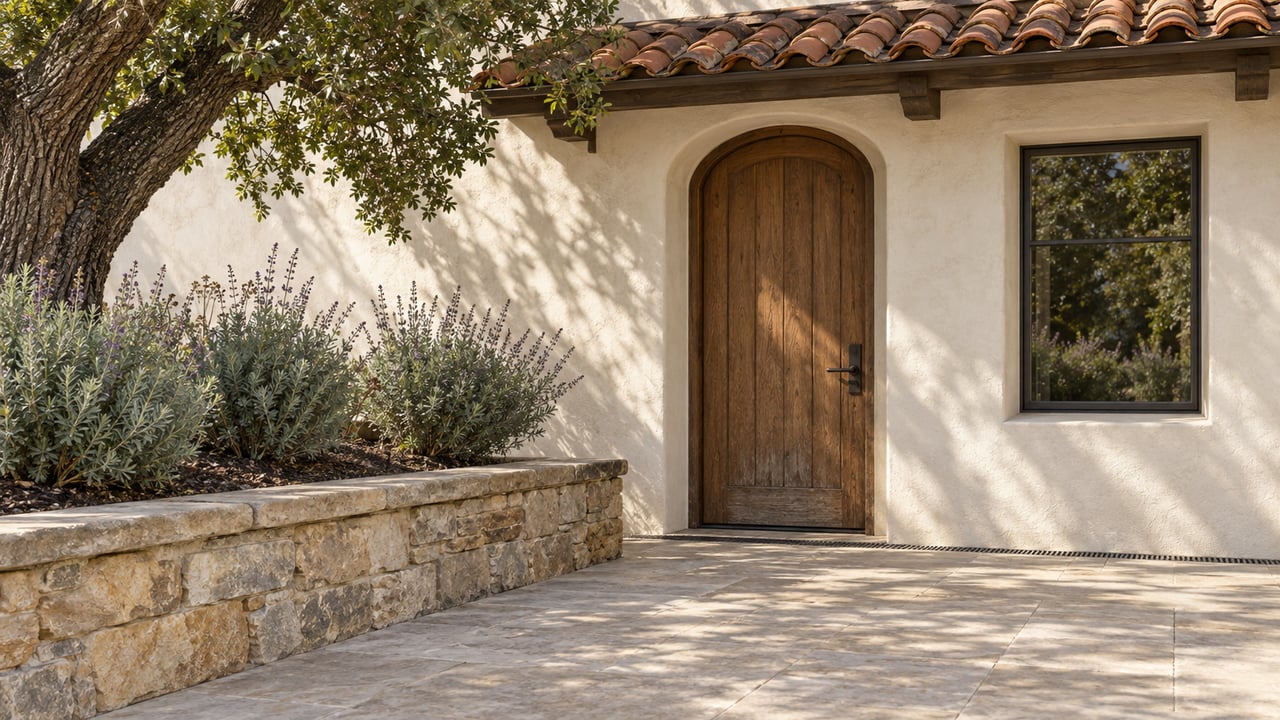
Hope Ranch’s building guidelines also show how the built environment supports equestrian and outdoor living. The guidelines reference features like barns, stables, tack rooms, screened driveways, hidden garages, and regulated exterior elements such as pools, spas, and court lighting. That combination reinforces an outdoor-oriented environment without sacrificing privacy or visual restraint.
For many buyers, this is part of the appeal. Properties here often feel designed to support land, movement, and a quieter visual experience rather than maximum density or street-front display. That approach helps preserve the area’s longstanding rural identity.
Private Beach Access in Hope Ranch
Hope Ranch’s beach lifestyle is just as distinctive as its equestrian culture. Residents are not simply close to the coast. They have access to a member-managed beach park that is governed by community rules and seasonal use policies.
According to the Association’s beach and access rules, use of the beach park is limited to members with recreation cards, dependent family members, approved tenants, guests, and certain resident employees. Guests must be registered, and hosts are subject to guest-count and party-size limits.
That structure creates a beach experience that is neighborhood-based rather than purely public. For residents, that can shape how the coastline is used day to day, from casual beach visits to organized gatherings and seasonal traditions.
What Beach Life Looks Like
The current Hope Ranch rules provide useful insight into how the beach is shared. During the summer season, horses are routed around the main beach-use area. Dogs have designated leash and off-leash zones, and certain holiday periods reserve the beach and picnic grounds for community events such as the Beach Campout and Beach Festival.
Those details help paint a clearer picture of the lifestyle. This is not just ocean frontage nearby. It is a managed coastal amenity with patterns of use that support resident recreation, traditions, and day-to-day access.
For buyers comparing Hope Ranch with other Santa Barbara area communities, that distinction matters. Santa Barbara County does offer public coastal access, including Arroyo Burro Beach County Park, but Hope Ranch adds an additional layer of resident-controlled access and privacy that feels very different in practice.
The Country Club and Local Institutions
Another part of the Hope Ranch lifestyle is how several key institutions are embedded within the community itself. That contributes to the area’s self-contained feel and supports a more localized daily routine.
La Cumbre Country Club is one of the best-known anchors within Hope Ranch. According to the club, amenities include golf, six championship plexi-pave tennis courts, an aquatics area, a fitness center, and outdoor dining. For residents who value recreation and social connection close to home, that is an important part of the neighborhood ecosystem.
La Cumbre Mutual Water Company adds another layer of local infrastructure. The company states that it was formed in 1925 to serve Hope Ranch and the surrounding area on a mutual-benefit basis. While utility service is not the most glamorous part of a lifestyle story, it does reinforce how much of Hope Ranch operates through long-established local systems rather than a commercial town center.
Laguna Blanca School also maintains a Hope Ranch campus, with its middle and upper school located on Paloma Drive. This is useful geographic context for understanding the area’s layout and daily patterns, especially for those relocating to the Santa Barbara South Coast.
How Hope Ranch Differs From Other South Coast Areas
If you compare Hope Ranch with other South Coast communities, the biggest difference is the blend of privacy, land, and managed amenities. County planning resources identify places like Montecito and Goleta Valley as distinct planning areas, while Hope Ranch’s own framework emphasizes private roads, bridle trails, beach access rules, and architectural screening. That gives the community a very different feel from more publicly oriented coastal neighborhoods.
Hope Ranch also sits at the western end of the city shoreline context described in the City of Santa Barbara coastal planning materials. For buyers, that helps frame Hope Ranch as part of the broader South Coast while still operating with its own identity and rules.
In simple terms, Hope Ranch combines three lifestyle elements that are often separate elsewhere:
- Equestrian infrastructure woven into the neighborhood
- Resident-managed coastal recreation
- Club-centered amenities within the community
That combination is a big reason Hope Ranch continues to stand out in the Santa Barbara market. It offers a lifestyle that feels highly specific, highly protected, and difficult to replicate.
What Buyers Should Understand
If Hope Ranch appeals to you, it helps to look beyond the home itself and evaluate how the community functions. Association oversight, trail-use rules, beach access policies, and design guidelines all influence the ownership experience. For the right buyer, those layers are part of the value.
It is also important to understand that Hope Ranch is intentionally resident-oriented. The rule book prohibits short-term rental use and requires lots to remain single-family residential. That helps preserve consistency, privacy, and lower turnover within the neighborhood.
For buyers relocating from Los Angeles, the Bay Area, or out of state, this can be one of the most important takeaways. Hope Ranch is not just desirable because it is coastal. It is desirable because the community structure actively protects the qualities that make it feel calm, private, and estate-like.
If you are considering Hope Ranch or comparing it with other Santa Barbara South Coast communities, Maureen McDermut can help you evaluate the lifestyle, property fit, and neighborhood nuances with the clarity and discretion that this market deserves.
FAQs
What is the lifestyle in Hope Ranch like for buyers considering Santa Barbara County?
- Hope Ranch offers a distinct mix of estate-style living, equestrian infrastructure, resident beach access, and community-centered amenities within a managed residential setting.
Does Hope Ranch have horseback riding trails within the community?
- Yes. Hope Ranch has a bridle trail system, and some trail sections between private properties are reserved for horseback use only under Association rules.
Is beach access in Hope Ranch public or private?
- Hope Ranch includes a member-managed beach park with access limited to eligible members, approved users, and registered guests under community rules.
How is Hope Ranch different from other Santa Barbara coastal neighborhoods?
- Hope Ranch stands out for its combination of private roads, equestrian trails, resident-controlled beach access, architectural guidelines, and estate-oriented land planning.
Are short-term rentals allowed in Hope Ranch?
- No. The Hope Ranch rules state that short-term rental use is prohibited and that lots must remain single-family residential.
What amenities are located within Hope Ranch itself?
- Key local institutions include La Cumbre Country Club, Laguna Blanca School’s Hope Ranch campus, and La Cumbre Mutual Water Company, all of which contribute to the community’s self-contained feel.