You’re ready to trade long commutes for ocean air and sunshine, but you want a clear picture of where to live and what to expect on Santa Barbara’s South Coast. Whether you’re moving a family or buying a second home, the neighborhoods here each offer a distinct lifestyle, from walkable in‑town living to private estate settings. In this guide, you’ll learn how the market is segmented, which areas tend to fit different goals, how people actually commute and travel, and what to watch for with microclimates and natural hazards. You’ll also get a practical, step‑by‑step plan for an efficient house‑hunting trip. Let’s dive in.
Market basics: set smart expectations
Santa Barbara’s South Coast is compact and highly varied. Price bands shift by neighborhood, lot size, views, and proximity to the beach. Montecito sits at the top of the market with estate‑scale properties and luxury compounds. Hope Ranch also trends high, with larger parcels and an equestrian culture. In‑town Santa Barbara neighborhoods are more diverse in price and home type, while Carpinteria often offers comparatively more accessible entry points for a beach town.
Inventory is tighter than many larger metros. In luxury enclaves, specific property types like oceanfront estates or gated compounds can take longer to surface. For up‑to‑the‑minute numbers on medians and inventory, pair your search with the latest Santa Barbara Association of REALTORS® market charts so your expectations track current conditions. You can review the most recent monthly snapshot in the SBAOR chart summary for context on trends across the South Coast. View the current SBAOR summary.
Neighborhood fit at a glance
Santa Barbara (in‑town: Downtown, Waterfront, Riviera, Mission Canyon, Mesa)
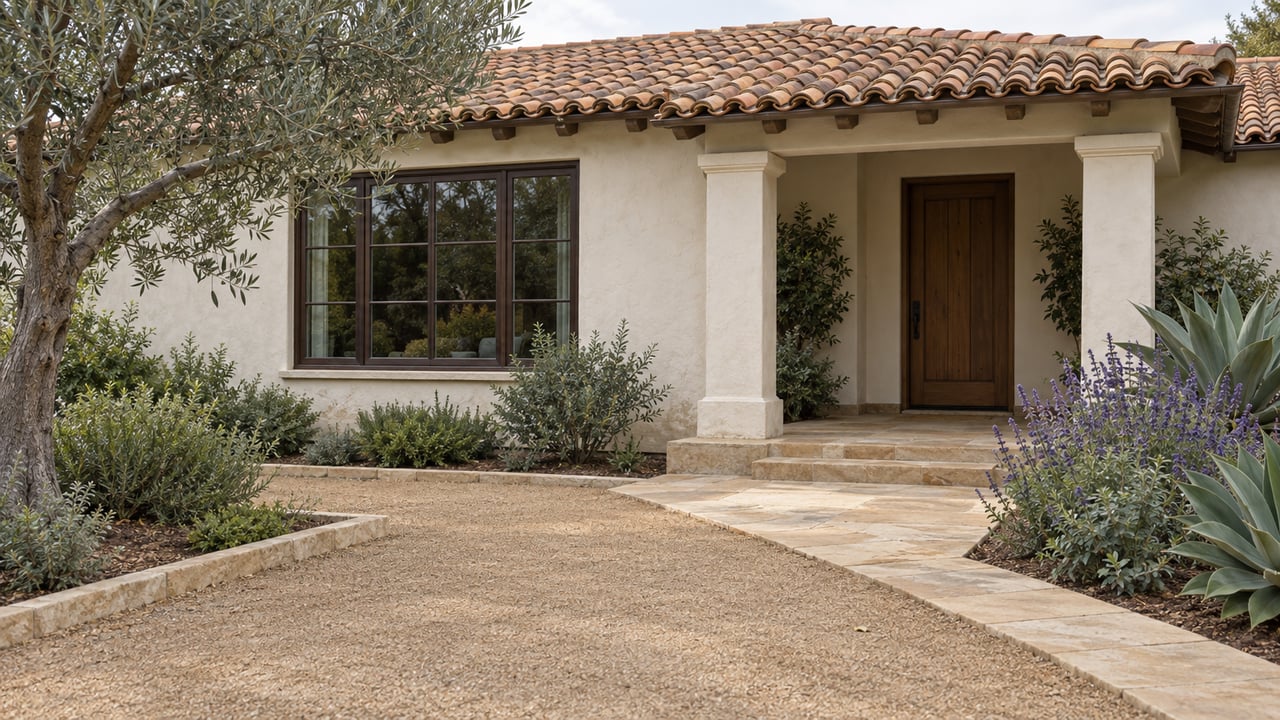
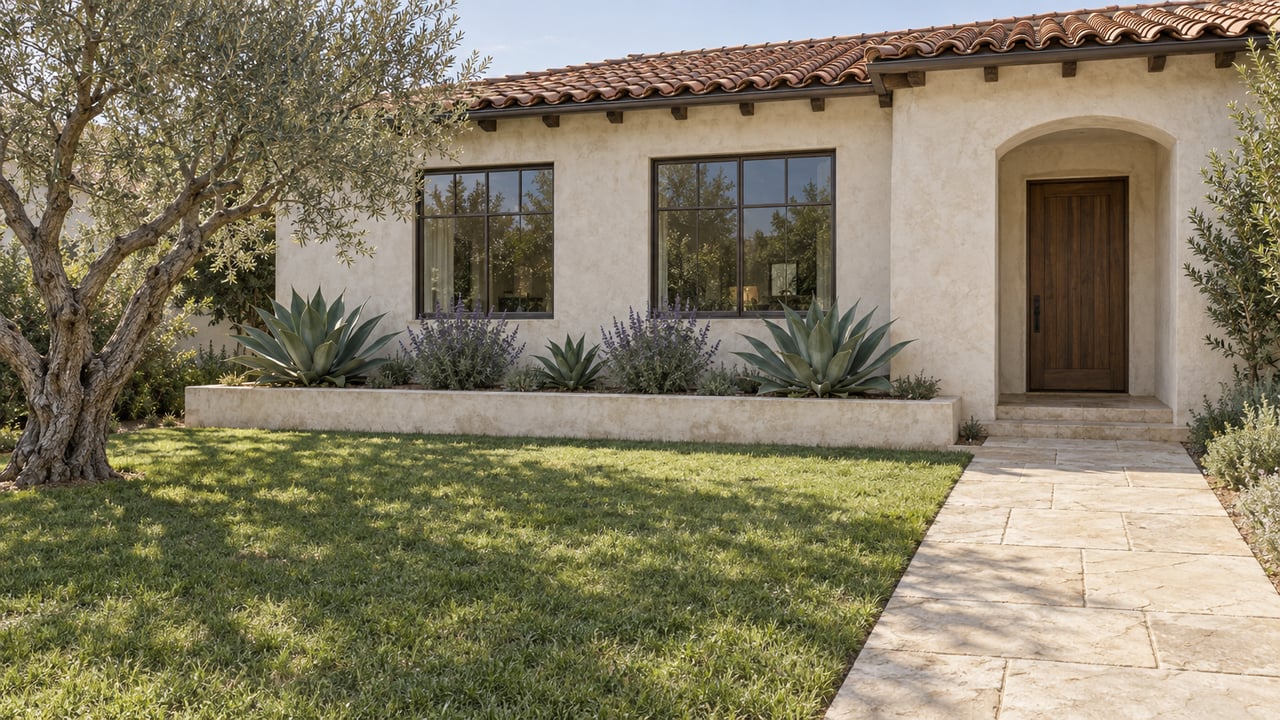
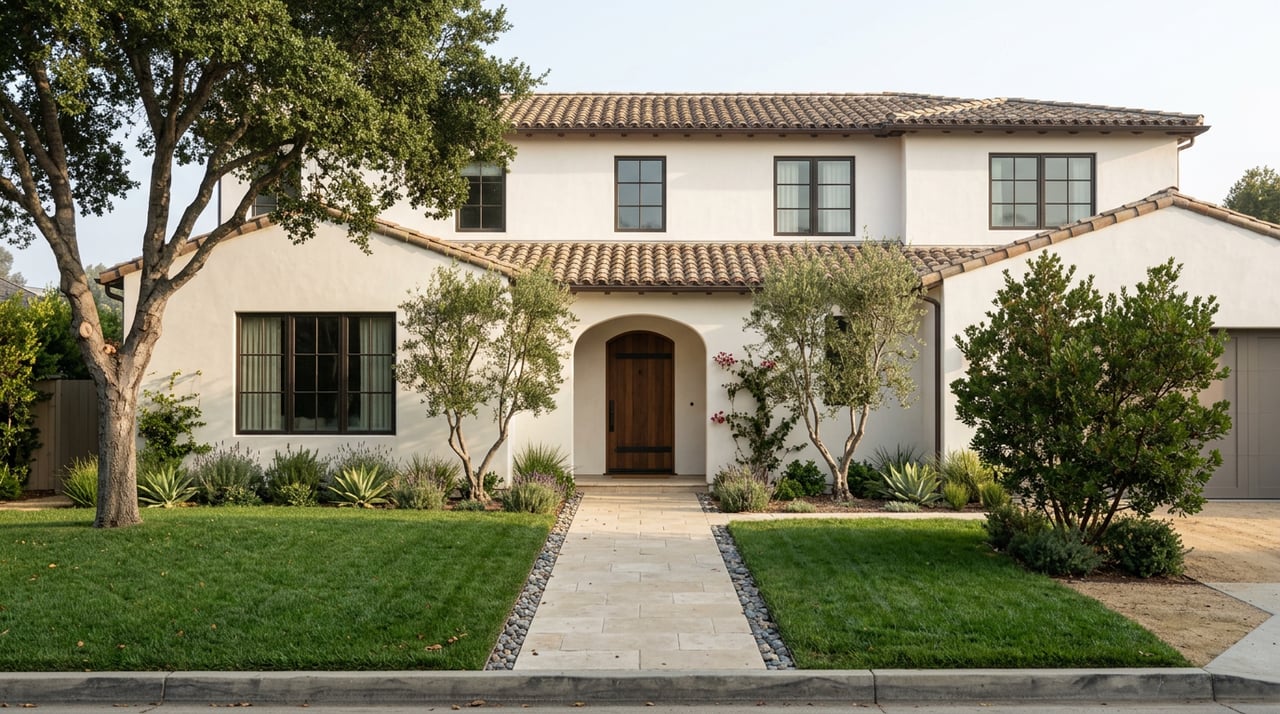
If you want an urban‑by‑the‑sea lifestyle, in‑town Santa Barbara gives you walkable dining, theaters, parks, and beach access within a few minutes’ drive. Architectural character is a hallmark here, with Spanish Colonial Revival and Mediterranean details protected by city design guidelines. You’ll find cottages and condos near the waterfront, historic homes in central neighborhoods, and hillside estates on the Riviera with panoramic views. Expect smaller lots and easy access downtown, with larger parcels as you move up the hillside. For architectural context, the city’s Historic Resources Design Guidelines outline the local vernacular. Explore the city’s design guidelines.
Montecito
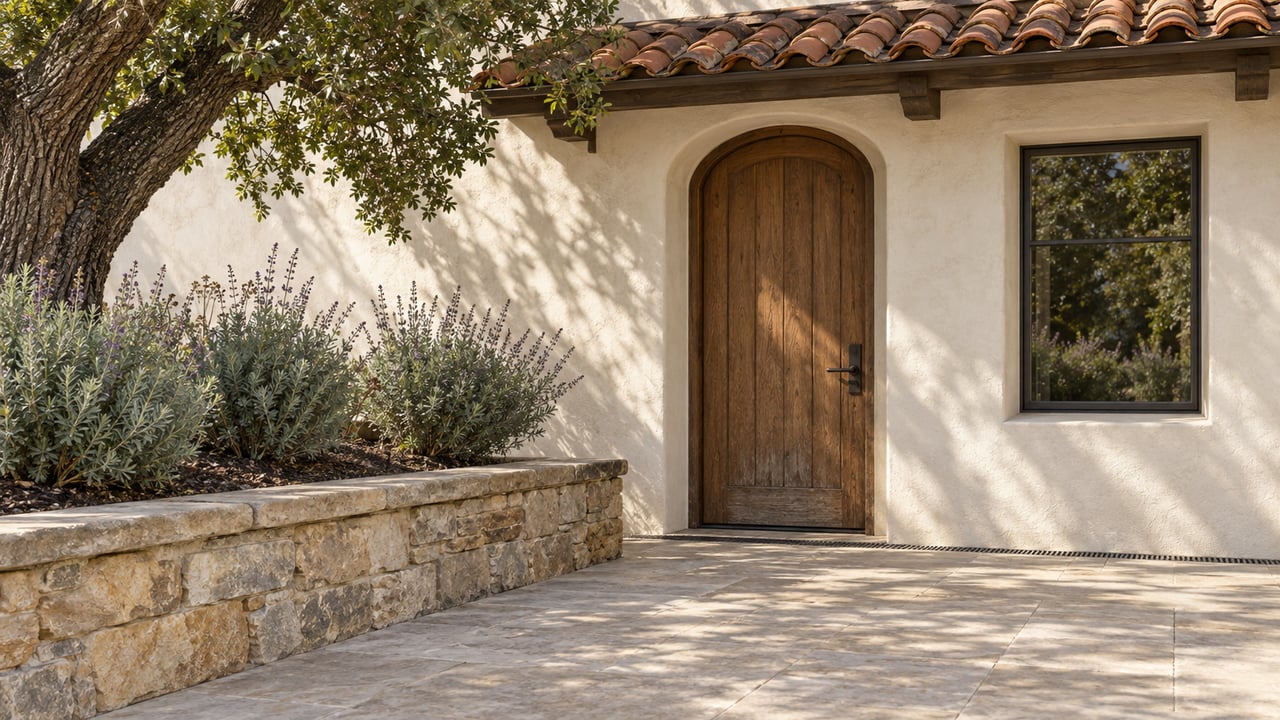
Montecito is known for privacy, mature landscaping, and a village feel centered around its Upper Village, Lower Village, and Coast Village Road. You’ll see a mix of historic estates, reimagined Spanish Revival homes, and contemporary rebuilds tucked into foothills or near the shoreline. It fits buyers who value discretion, larger lots, and a resort‑adjacent lifestyle while staying close to Santa Barbara’s amenities.
Hope Ranch
Hope Ranch offers a coastal, pastoral feel with larger parcels and an active equestrian scene. Roads meander through oak‑studded hills, and the area reads as private and low‑density. It fits buyers who want space for hobbies, potential equestrian use, and quick access to both the beach and downtown Santa Barbara.
Carpinteria
Carpinteria is a small beach town with a slower rhythm and beloved surf breaks, including Rincon. You’ll find cottages, condos, and smaller single‑family lots near Carpinteria State Beach and a compact downtown that is easy to walk. It fits buyers who prioritize a true beach‑town lifestyle with an easier price of entry compared to Montecito and in‑town Santa Barbara. Learn more about the town’s character from the city’s overview. Read about Carpinteria.
Goleta / UCSB corridor
If you want newer construction, proximity to the airport, and direct access to UCSB, Goleta offers a more suburban profile. Many buyers here value extra square footage and yard space while staying a short drive from Santa Barbara’s core.
Commute and travel: what daily life looks like
Average commute times across Santa Barbara County are shorter than many big metros, with a mean travel time of about 20.8 minutes. That reflects the compact, east‑west layout along the coast and a practical set of neighborhood‑to‑downtown connections. See county commute data.
Here’s what that feels like day to day:
- Montecito to Downtown Santa Barbara: commonly around 10 minutes in light traffic depending on your exact location.
- Hope Ranch to State Street: often 10 to 15 minutes outside peak periods.
- Carpinteria to Downtown Santa Barbara: plan for roughly 15 to 25 minutes in typical conditions, with longer times during holiday or summer weekends.
- Public transit: a regional bus connection links Carpinteria and Santa Barbara, which can reduce peak‑hour driving.
For regional travel as of March 2026, Santa Barbara Municipal Airport has adjusted routes and continues to serve key West Coast hubs. Many executive travelers combine SBA for short‑haul trips with LAX for long‑haul international flights. Check the airport’s route updates before you book. Review SBA route updates. If you prefer to skip highway traffic, Amtrak’s Pacific Surfliner connects Santa Barbara to Los Angeles and points south, with travel times to LA often in the 2 to 3 hour range depending on the schedule. See the Pacific Surfliner route.
Coastal vs hillside tradeoffs and microclimate
Between the Pacific and the Santa Ynez Mountains, the South Coast packs varied microclimates into a narrow band. Near the shoreline, you’ll notice more marine influence and foggy mornings. Hillside neighborhoods often sit above the fog line and clear earlier, with more sun exposure and wide views. Learn how geography shapes local weather.
Use this quick checklist to weigh lifestyle tradeoffs:
-
Coastal living
- Pros: easy beach access, more walkability to dining and shops, cooler temperatures.
- Consider: seasonal crowding, potential salt air wear on finishes, and flood or erosion exposure for first‑row lots.
-
Hillside living (Riviera, Mission Canyon, Montecito foothills)
- Pros: more sun, sweeping views, and greater privacy on larger lots.
- Consider: steeper driveways, lower walkability, potential slope stability considerations, and longer emergency‑vehicle access on some canyon roads.
Hazards and disclosures: how to buy wisely
Natural beauty comes with natural‑hazard planning on the South Coast. The right due diligence lets you buy with confidence.
-
Wildfire. Much of the region sits in the wildland‑urban interface. Confirm parcel‑level wildfire severity zones and local defensible‑space requirements as part of your review. The county’s Multi‑Jurisdiction Hazard Mitigation Plan summarizes local planning and risk considerations. Read the county hazard plan.
-
Landslide and debris‑flow. The January 9, 2018 Montecito debris flows highlight how burn scars followed by intense rain can create significant risk in foothill areas and downstream channels. For hillside properties, consider historical studies and a geotechnical review if slopes are nearby. An academic summary of the event offers helpful background. Review the Montecito debris‑flow research.
-
Flooding and coastal erosion. First‑row oceanfront and low‑lying bluff parcels may fall within FEMA flood zones or coastal‑erosion oversight. Verify FEMA maps and coastal‑permitting history early in your process.
-
California disclosures. In California, you will receive a statutory disclosure package that includes a Natural Hazard Disclosure statement. This is where wildfire, flood, seismic, and other mapped hazards are flagged at a basic level. Plan time to read these documents closely with your agent. See the standard California purchase and disclosure references.
Plan an efficient house‑hunting trip
When inventory is tight, preparation shortens your timeline and reduces stress.
2 to 4 weeks before you visit
- Align on needs. Define non‑negotiables like privacy, guest parking, separate office space, or proximity to community amenities.
- Get financially ready. Secure pre‑approval or prepare proof of funds. This keeps you competitive if the right home appears during your visit.
- Pre‑screen with your agent. Ask for a curated shortlist that fits your brief. Request disclosure packages and preliminary title reports ahead of time so you can focus your in‑person hours on viable properties. California disclosures will flag basic hazard zones; use them to decide which homes deserve deeper inspection. Review disclosure context.
- Track the market. Ahead of your trip, review the latest local stats to understand velocity and price bands across neighborhoods. Check the SBAOR chart summary.
Example agendas once you’re here
-
Short scouting trip (2 to 3 days)
- Day 1: orientation drive across 6 to 8 neighborhoods, morning and late afternoon.
- Day 2: tour 3 to 4 pre‑screened homes, then return to a favorite area at dusk to gauge traffic and noise.
- Day 3: lifestyle check. Walk village centers, beaches, and parks to confirm day‑to‑day fit.
-
Focused buying trip (4 to 7 days)
- Daily: 3 to 6 showings in efficient clusters, with scheduled inspections or contractor consults on top picks.
- Plan repeat visits to finalists at different times of day.
- If applicable, schedule meetings with school admissions or a local property‑management interview for second‑home care.
On‑site checklist
- Neighborhood rhythm: visit morning and evening; note traffic, delivery schedules, and nighttime sound.
- Access and travel: time your drive to the airport, hospitals, and your daily routes. For regional trips, confirm current SBA routes. View SBA updates.
- Property due diligence: review seller disclosures in detail; request prior geotechnical or structural reports on hillside lots; order standard home and wood‑destroying‑pest inspections; confirm HOA rules and any coastal‑permit history for oceanfront or bluff‑top parcels.
Second‑home buyers: ask these on day one
- What are the community’s rules on rentals, guest stays, and home improvements?
- Who can provide trusted caretaking, gardening, pool, and security services when you are away?
- How is the property secured today, and what upgrades are practical near the coast?
- Is there a recent maintenance log and a vendor list you can continue with post‑closing?
Quick neighborhood snapshots
-
Santa Barbara in‑town
- Home types: cottages, condos near the waterfront, historic homes, hillside estates.
- Lifestyle: walkable dining and culture; short drives to beaches and parks.
- Notes: hillside areas like the Riviera trade walkability for views and sun. See city design context.
-
Montecito
- Home types: estates on larger parcels, reimagined historic properties, select luxury condos near village centers.
- Lifestyle: privacy, gardens, and a village feel with boutique shops and dining.
- Notes: premium pricing reflects lot size, privacy, and proximity to the shoreline.
-
Hope Ranch
- Home types: larger parcels with room for horses or hobby spaces; coastal and inland settings.
- Lifestyle: quiet roads, equestrian culture, and quick access to town.
- Notes: verify any HOA covenants and resident amenities during due diligence.
-
Carpinteria
- Home types: beach cottages, condos, and smaller lots; close to Carpinteria State Beach.
- Lifestyle: slower pace and beach‑forward living with easy town access. Explore the city’s overview.
-
Goleta / UCSB corridor
- Home types: newer suburban neighborhoods with practical access to services and SBA.
- Lifestyle: convenient for UCSB‑related work and frequent travelers. Check the Surfliner for car‑free trips.
Final thoughts
Relocating to Santa Barbara’s South Coast is as much about lifestyle fit as it is about a beautiful home. When you understand the market’s price bands, how commutes and travel actually work, and the local microclimate and hazard context, you can act decisively when the right property appears. A focused, well‑planned visit, paired with thorough disclosures and parcel‑level checks, will help you buy with confidence and enjoy day one in your new home.
If you want a curated shortlist, nuanced neighborhood guidance, and end‑to‑end coordination, reach out to Maureen McDermut. Schedule a private consultation.
FAQs
What should I budget for housing on Santa Barbara’s South Coast?
- Prices vary widely by neighborhood and lot size. Montecito and Hope Ranch sit at the high end, in‑town Santa Barbara ranges by area and housing type, and Carpinteria often offers more accessible entry points. Review the latest medians and inventory in the SBAOR monthly summary and align with your agent on current ranges.
How long is the commute from Carpinteria to Downtown Santa Barbara?
- In typical conditions, plan for roughly 15 to 25 minutes, with longer times during peak traffic or holiday weekends. Countywide, the mean commute time is about 20.8 minutes, reflecting the area’s compact layout. See U.S. Census QuickFacts for context.
How does the marine layer affect daily life near the beach?
- Low‑lying coastal areas see more foggy mornings, while hillside neighborhoods often clear earlier and get more sun. This can influence your choice of neighborhood, home orientation, and even landscaping. Learn more about local geography and climate patterns here.
What natural hazards should I evaluate before buying?
- Review wildfire severity zones, potential debris‑flow considerations in foothill areas, and flood or erosion exposure near the coast. Start with the county’s hazard mitigation plan and ask your agent to help you interpret parcel‑level disclosures.
What’s the best way to structure a short house‑hunting trip?
- For a 2 to 3 day scout, tour neighborhoods at multiple times of day and see 3 to 4 pre‑screened homes. For a 4 to 7 day buying trip, schedule grouped showings, reserve time for inspections on top picks, and plan repeat visits at different hours. Confirm airport options and rail schedules in advance. Check SBA route updates and the Pacific Surfliner for current service.