What if a five-minute drive could change your entire day? In Montecito, each micro-environment offers a different rhythm, from morning beach walks to gardened estate privacy to foothill trails with big-sky views. If you are deciding where to focus your search, it helps to understand how these areas live day to day. In this guide, you will see how the main neighborhoods feel, what the homes are like, and the practical tradeoffs to keep in mind so you can choose with confidence. Let’s dive in.
How Montecito lives, area by area
Butterfly Beach and Miramar
You live for the coast here. Daily life often starts with a quiet walk on Butterfly Beach, ends with sunsets over the Channel, and includes easy bike rides along the shoreline. Expect a laid-back pace with more foot and bike traffic in peak season, and public beach access with limited parking at busy times. For an overview of this shoreline anchor, explore the guide to Butterfly Beach.
Homes tend to be smaller-footprint cottages and renovated retreats on narrower lots, plus a handful of rare shorefront estates. The payoff is immediate access to the sand and ocean views. The tradeoff is tighter parcels, less on-street parking, and added attention to coastal permitting for changes near the bluff or shoreline.
Lower Village and Coast Village Road
If you value walkability, the Lower Village is your daily stage. You can stroll to coffee, errands, galleries, and restaurants along Coast Village Road, and meet friends in the courtyard at the Montecito Country Mart. The corridor defines much of the village pulse, with a helpful directory on the Coast Village Road Improvement Association site.
Property types range from cottage-scale single-family homes on small lots to a handful of low-rise condos tucked off the main street. Yards tend to be modest, but your world gets bigger when everything you need is a short walk away. This is the most approachable, day-to-day setting if you want visible local life.
Upper Village, Golden Quadrangle, and Hedgerow
You feel the tone shift to leafy residential streets, curated gardens, and a quieter setting close to the Upper Village shops. San Ysidro Village boutiques and social options are nearby, yet the mood remains residential-first. For a local perspective on how these pockets connect, the Montecito Journal has covered the area’s nuanced neighborhoods and estate history in its neighborhood overview.
Homes in this band include historic Spanish Colonial or Mediterranean estates alongside well-kept mid-century residences. Lots are generally larger than in the Lower Village, with the Golden Quadrangle offering many 1 to 3 plus acre legacy parcels. You come here for privacy, gardens, and proximity to services without the bustle of the coast.
Hedgerow and Riven Rock
These are among Montecito’s most discreet pockets. Streets are quiet, hedges are tall, and many properties are gardened compounds with significant privacy. You can access nearby trails and the Upper Village quickly, yet life here feels tucked away.
Expect historic estates, restored period homes, and gated compounds on one or several acres. The lifestyle centers on indoor-outdoor living, entertaining, and a sense of retreat. The character reflects Montecito’s classic estate tradition and an emphasis on privacy that the community is known for.
Foothill estates: Birnam Wood, Ennisbrook, Toro Canyon, Oak Creek Canyon
If you want space, views, and a more rural-park feel, the foothills deliver. Days are shaped by mountain drives, trail access, and long vistas across the ocean and Santa Ynez Mountains. Amenities vary by enclave, and some communities and private clubs offer golf, tennis, and social options. For example, the Birnam Wood Golf Club is a well-known private anchor for golf-focused buyers.
Homes include multi-acre parcels, gated entries, guesthouses, and both traditional villas and carefully sited contemporary designs. You trade walkability for privacy and scale, and errands typically involve a short drive down to the village. If easy access to trails is a priority, check route details and restoration updates via the Montecito Trails Foundation.
Daily life: shopping, recreation, and getting around
Coast Village Road and the Montecito Country Mart are the primary dining and shopping cores. Many residents pair a morning workout or beach walk with coffee and errands along the corridor. Beach days revolve around Butterfly Beach and the Miramar shoreline, where street-end access is common and parking can be tight on busy days. You will see walkers and cyclists making the most of the flat, coastal terrain.
Hiking is part of the local rhythm. Cold Spring, Hot Springs Canyon, and routes toward Montecito Peak offer regular hillside workouts and lookout points. Before you go, review trail conditions and access notes with the Montecito Trails Foundation.
For regional access, you are minutes from downtown Santa Barbara via U.S. 101. The Santa Barbara Airport and daily logistics depend on your micro-location and traffic. If you travel to Los Angeles often, plan for roughly 1.5 to 2.5 hours by car depending on traffic patterns.
Architecture and home types you will see
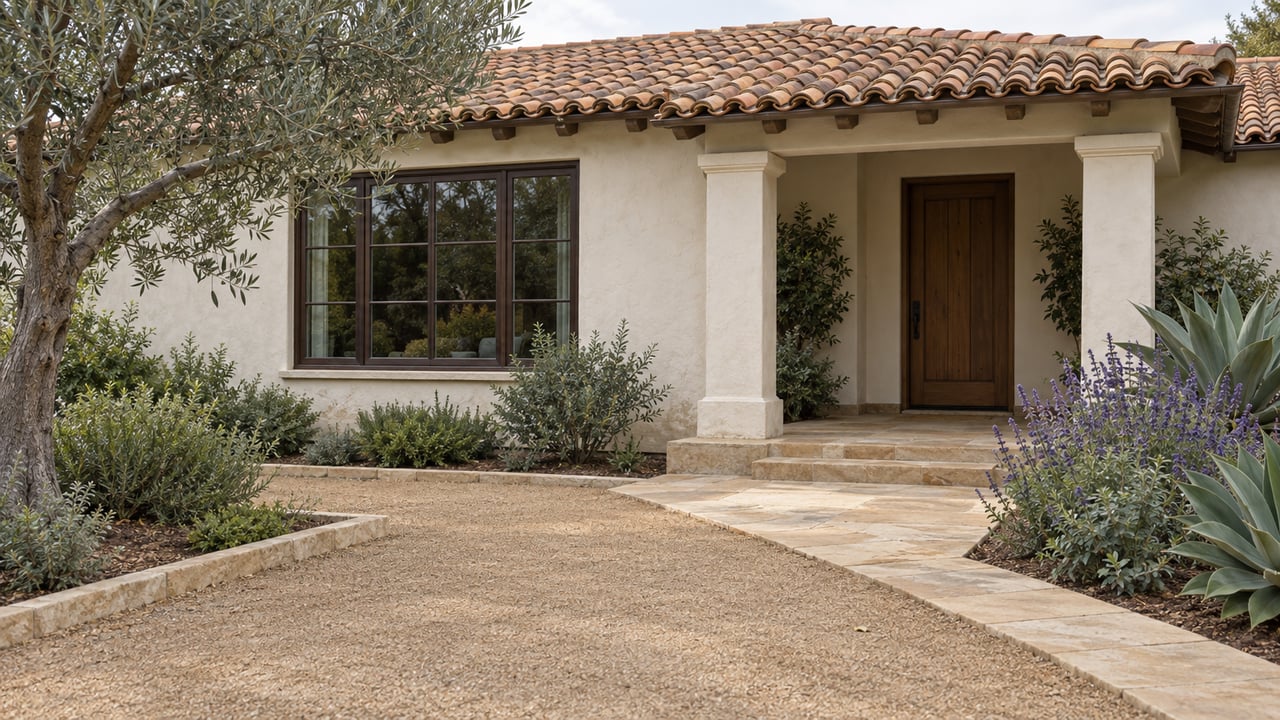
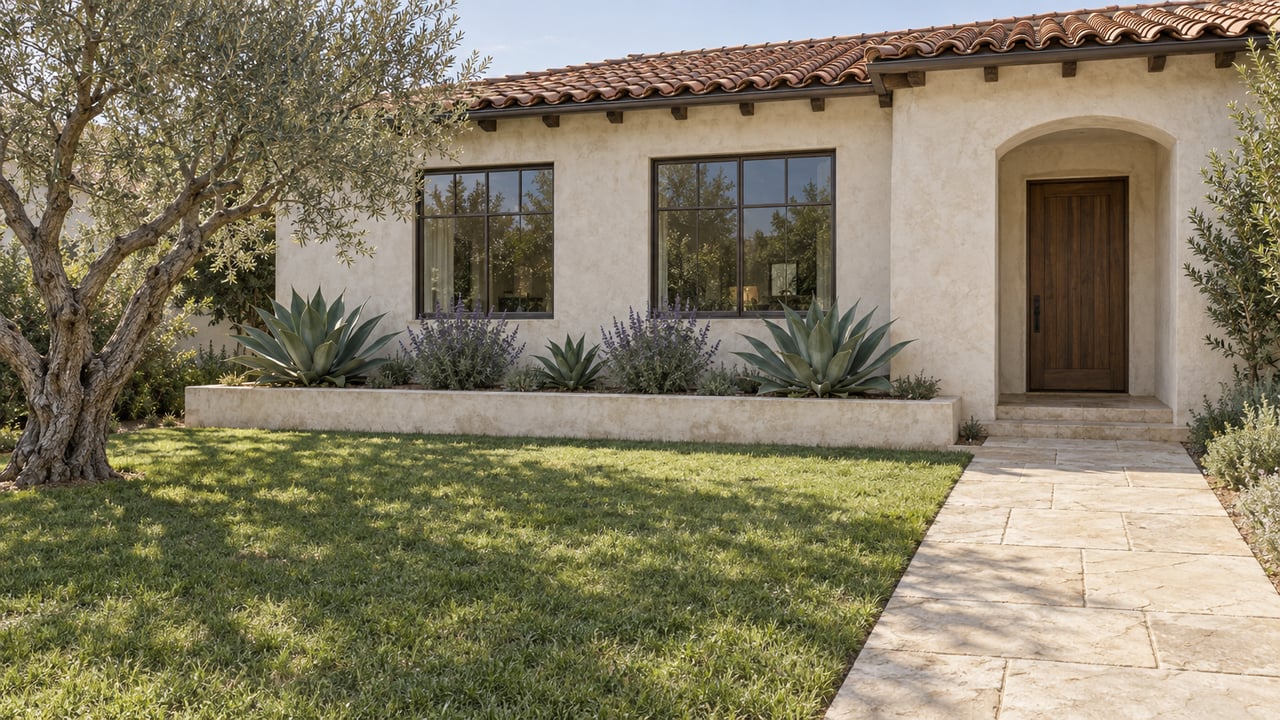
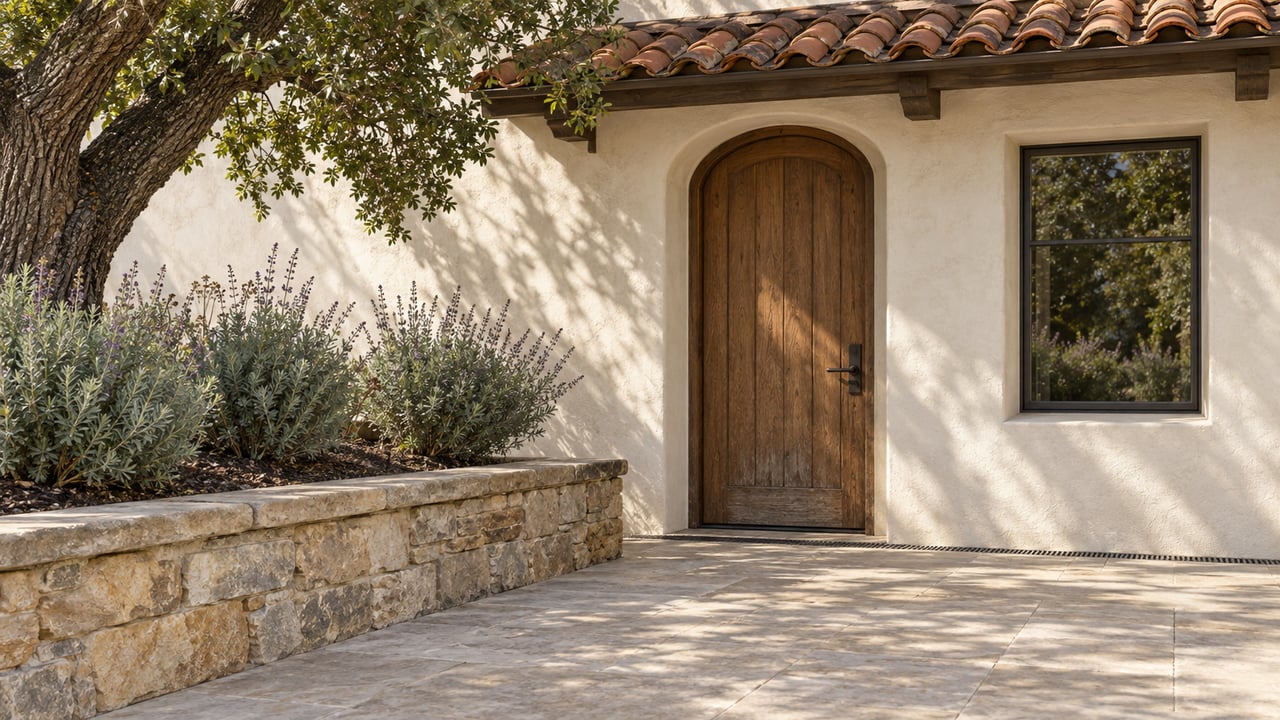
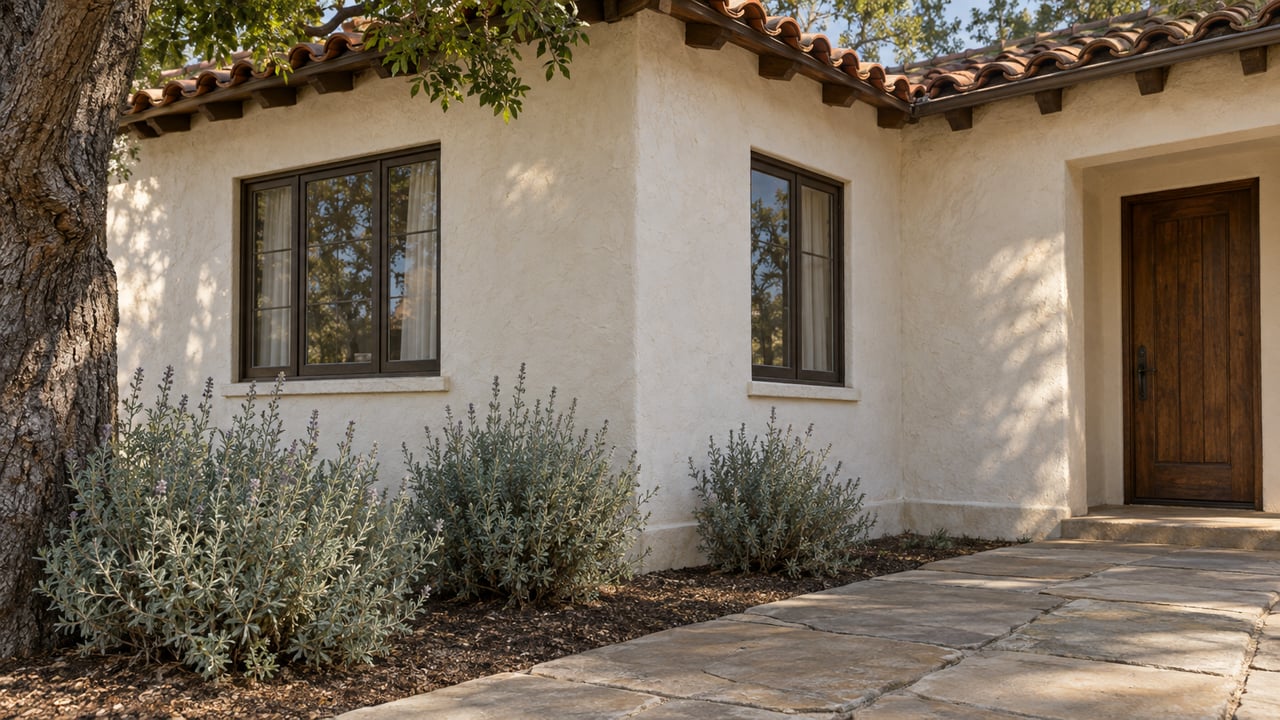
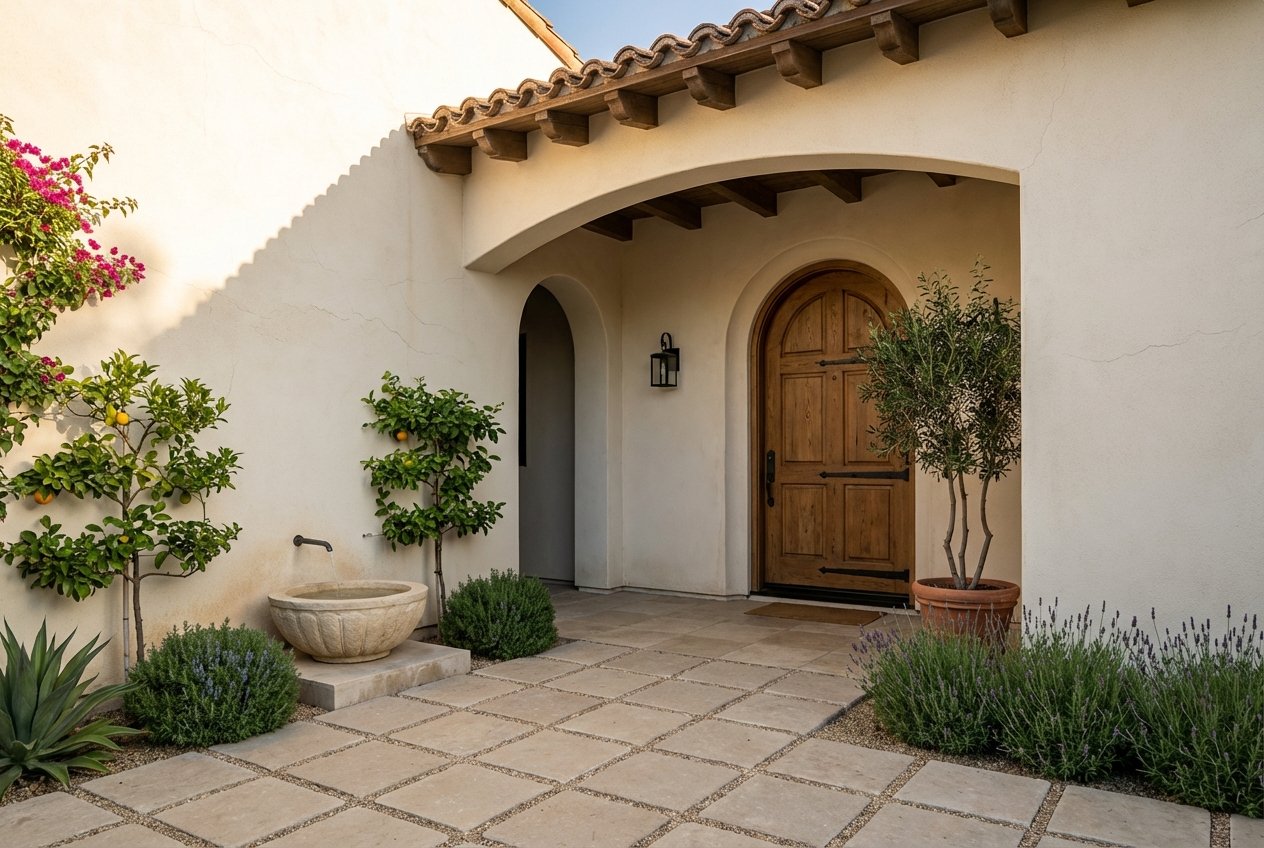
Montecito’s architectural identity is anchored in Spanish Colonial Revival and Mediterranean design. Stucco walls, red tile roofs, courtyards, and hand-forged ironwork reflect early 20th-century influences that still shape the area today. If you enjoy design history, touring the landmark Casa del Herrero offers a vivid reference point for this style’s craftsmanship and gardens. You can learn more through the Casa del Herrero overview.
Across neighborhoods, you will commonly find:
- Beachfront cottages and coastal bungalows with smaller footprints that prioritize views and beach access. Renovation versus expansion is a frequent consideration due to lot constraints.
- Village cottages and small-lot homes near Coast Village Road, sometimes alongside low-rise condos or townhome-style options. Yards are modest, while walkability is the primary benefit.
- Historic estates in the Hedgerow and Golden Quadrangle, often on 1 to 3 plus acre parcels with formal courtyards and mature landscaping.
- Foothill and canyon estates with gated drives, guest spaces, and greater separation from neighbors, including hilltop properties with ocean or mountain views.
Lifestyle tradeoffs at a glance
Every micro-environment offers a clear set of benefits. The right fit depends on your daily routine and long-term plans.
- Walkability vs. space: Lower Village and Miramar areas are easiest for walking to shops and the beach. Upper Village offers a quieter version of convenience. Foothill enclaves trade walkability for acreage and views.
- Privacy vs. pulse: Hedgerow, Riven Rock, and the Golden Quadrangle emphasize privacy and gardened settings. Coast Village Road has the most visible day-to-day activity.
- Views vs. access: Beach and bluff areas deliver ocean proximity. Hillsides and canyons offer sweeping vistas but add drive time to errands.
- Lot size and expansion: Larger parcels in the Golden Quadrangle and foothills can support guesthouses, pools, and expanded outdoor programs. Beach and village lots are tighter and more planning-sensitive.
- Amenities: Some HOA or club settings, such as Birnam Wood, add on-site recreation and social structure. Village and beach areas rely more on public beaches and local shops.
Market context and pace
Montecito is a small, high-value coastal community with roughly 8 to 9 thousand residents. Inventory is limited and micro-location matters. Typical home values sit firmly in the multi-million range. According to Zillow’s Home Value Index, Montecito’s typical value was about 5.25 million dollars as of January 31, 2026.
What this means for you: clarity on neighborhood fit before you start touring will save time and help you act with confidence when the right home appears. A local, strategy-first approach can be the difference between winning a home and missing it.
Due diligence essentials to protect your plan
Montecito’s setting is part of its appeal, and it also brings planning and hazard considerations you should factor into your ownership timeline.
- Debris-flow and post-wildfire context: The January 2018 event remains a defining reference for hillside and creek-adjacent parcels. Review technical background and current science on post-fire debris-flow hazards through the U.S. Geological Survey and verify local maps during escrow.
- Coastal zone and permits: Many seaside parcels sit within the California Coastal Zone. Projects that change footprint, grading, bluff access, or shoreline protection commonly require Coastal Development Permits and may need geotechnical studies. For an owner’s primer, see this coastal permitting guide.
- Fire hazard, defensible space, and insurance: Portions of Montecito lie in high or very high fire hazard severity areas. Insurer availability and mitigation costs should be reviewed early. The Los Angeles Times coverage offers useful context on vegetation and defensible space considerations.
- Privacy and community character: Privacy is a major reason buyers choose Montecito, especially in the estate corridors. Tall hedges, gates, and long drives are common in many areas, which shapes maintenance planning and security choices.
Quick checklist for buyers:
- Confirm coastal-zone status and any existing Coastal Development Permits.
- Obtain recent geotechnical and drainage reports where relevant.
- Review flood and debris-flow maps and any county remediation work near the property.
- Verify insurance availability and likely premiums before removing contingencies.
- Confirm any recorded slope, armoring, or access easements that affect improvements.
- If schools matter to you, verify district enrollment and private-school options directly with the institutions.
- For regular hikers, check current trail conditions with the Montecito Trails Foundation.
Which Montecito micro-environment fits you?
Use your daily routine as a filter. If mornings on the sand and quick lunches by the shore sound ideal, focus on Butterfly Beach and Miramar. If walking to coffee, errands, and dinner is your love language, center on the Lower Village and Coast Village Road. If you want a quieter residential feel near shops with more space to garden, the Upper Village, Golden Quadrangle, and Hedgerow deliver. If you crave acreage, views, and club options, look to Birnam Wood, Ennisbrook, Toro Canyon, and nearby foothill pockets.
Three practical steps to get started:
- Define your non-negotiables, such as walkability, lot size, view, or club access.
- Pair one or two micro-environments to tour on the same day so you can feel the differences back to back.
- Align your renovation appetite with planning realities in that area, especially near the coast or in hillside settings.
Ready to explore your short list?
Choosing where to live in Montecito is as much about lifestyle as it is about the home itself. A curated, neighborhood-first search will help you move quickly with a clear plan and the right due diligence. If you are ready to refine your focus and privately tour the areas that best fit your goals, connect with Maureen McDermut. Schedule a private consultation.
FAQs
Which Montecito area is best for walkability to dining and shops?
- Lower Village and Coast Village Road offer the most day-to-day walkability to cafes, restaurants, and boutiques, with the Upper Village providing a quieter version of convenience nearby.
What is the Golden Quadrangle in Montecito?
- It is a core estate area near the Upper Village known for larger parcels, historic Spanish and Mediterranean homes, and a quiet, gardened setting highlighted in local coverage such as the Montecito Journal’s neighborhood overview.
How does living by Butterfly Beach differ from foothill living?
- Beach areas prioritize immediate shoreline access, smaller lots, and seasonal foot traffic, while foothill estates trade walkability for multi-acre privacy, views, and quicker access to hiking trails.
What should I know about permits if I buy near the coast?
- Many coastal parcels are within the California Coastal Zone, and projects that change footprint, grading, or shoreline protection can require Coastal Development Permits and studies as outlined in the coastal permitting guide.
How do fire and debris-flow risks affect buying in Montecito?
- Risk profiles vary by micro-location; review USGS debris-flow resources, check local maps, plan defensible space, and confirm insurance availability and premiums early in your process.
Are there condos or townhome options near Montecito’s village areas?
- Yes, a limited number of low-rise condo or townhome-style properties exist near Coast Village Road, offering a walkable, lower-maintenance lifestyle compared with larger estate parcels.